
What to Expect During the Restoration Process
People seeking storm restoration typically want to repair damage and restore safety, and local service providers can handle assessments, repairs, and cleanup efficiently.
Understanding what to expect during the restoration process can help property owners feel more prepared and confident when facing storm damage. This journey often involves several key stages, from initial assessment to final cleanup, each designed to restore safety and stability to a damaged property. Local contractors specializing in storm restoration are equipped to guide homeowners through these steps, ensuring the work is handled efficiently and effectively. As you explore this topic, keep in mind that knowing what lies ahead can make the experience less overwhelming and help you make informed decisions along the way.
For property owners in the area, being familiar with the typical restoration process is especially practical, given the likelihood of encountering storm-related damage. Local service providers understand the common challenges faced by homes and businesses after severe weather events and can tailor their approach accordingly. By learning what to expect during the restoration process, you can better coordinate with experienced contractors who are ready to help restore your property’s safety and integrity when it matters most. Keep reading to gain insight into how local professionals can assist throughout each stage of storm restoration.
- Roof Damage Repair - when storms cause shingles or structural damage, local contractors assess the extent and perform necessary repairs to restore roof integrity.
- Siding Restoration - after severe weather impacts exterior walls, service providers evaluate damage and replace or repair siding to protect the home.
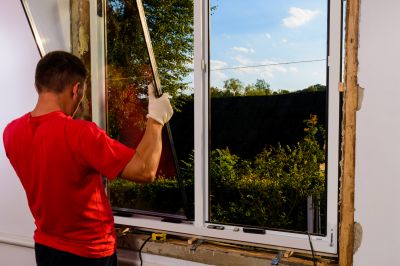
- Window and Door Replacement - if high winds or hail break or crack openings, local pros handle the installation of new windows and doors to secure the property.
- Water Damage Cleanup - during or after storms that lead to leaks or flooding, local contractors perform water extraction and drying to prevent further issues.
- Gutter and Drainage Repair - when heavy rain causes clogs or damage, service providers restore or upgrade drainage systems to ensure proper runoff.
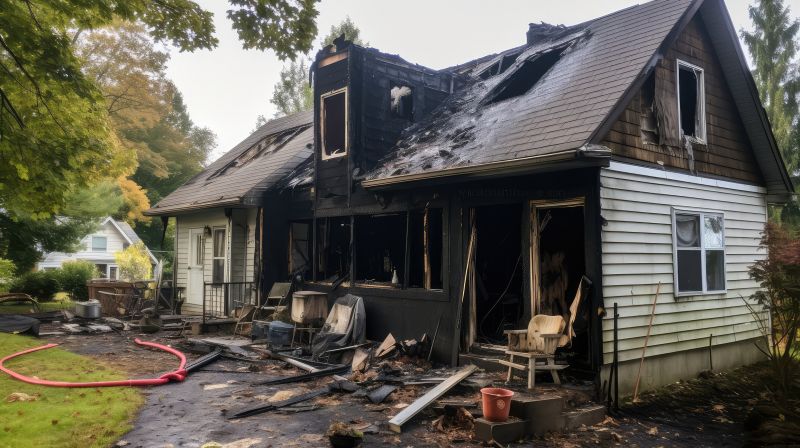

Understanding what to expect during the restoration process is an important step for homeowners dealing with storm damage or property issues caused by severe weather. When searching for this topic, many people are seeking a clear overview of how the restoration work unfolds, including the typical stages involved and what they should anticipate at each point. This process often relates to problems such as roof damage, flooding, fallen trees, or structural issues that occur after storms. Homeowners want to know how the work progresses, what kinds of repairs might be necessary, and how local contractors can help restore their property efficiently and effectively.
The restoration process generally begins with an assessment of the damage, where local service providers evaluate the extent of the storm-related issues. Once the damage is documented, the next phase involves planning repairs-whether it’s replacing a damaged roof, repairing siding, or addressing water intrusion. During this phase, homeowners can expect communication from the contractors about what repairs are needed and how they will be handled. As the work moves forward, the process often includes debris removal, structural repairs, and weatherproofing, all aimed at returning the property to its pre-storm condition. It’s helpful for homeowners to understand that each project is unique, and the scope of work can vary depending on the property type and severity of the damage.
The types of properties that typically come up during storm restoration projects include residential homes, multi-family dwellings, and sometimes small commercial buildings. Residential properties are the most common, with damage often affecting the roof, siding, windows, and foundation. Larger or more complex structures may require more extensive repairs, especially if the storm caused significant structural damage or flooding. Local contractors experienced in storm restoration are familiar with working on a variety of property types and can tailor their services accordingly. Homeowners should know that these service providers are equipped to handle different property sizes and damage levels, ensuring that each project receives the appropriate attention and expertise.
Throughout the restoration process, homeowners can expect a collaborative approach with local service providers who focus on transparency and quality work. While the process can sometimes involve multiple steps-such as inspections, repairs, and cleanup-knowing what to expect can help reduce stress and ensure smoother progress. These professionals are skilled at managing storm-related repairs on various property types, from single-family homes to larger buildings, and can adapt their services to meet the specific needs of each project. Connecting with local pros ensures that the restoration work is handled efficiently, with attention to detail, and with the goal of restoring the property’s safety, functionality, and appearance after storm damage.
Water Damage Restoration - this type of project requires assessment, drying, and repair skills similar to those used in storm restoration to restore structures after flooding or leaks.
Roof Repair and Replacement - involves planning, damage assessment, and the use of specialized tools, paralleling the processes involved in storm damage repairs.
Structural Drying Services - focuses on moisture removal and structural stabilization, which are key components in the storm restoration process.
Mold Remediation - addresses issues related to water intrusion and moisture control, closely related to storm damage mitigation efforts.
Siding Repair Services - includes assessing exterior damage and restoring the building’s protective layers, similar to storm damage restoration tasks.
Emergency Board-Up Services - involves securing properties quickly after storm damage, requiring planning and safety measures akin to the restoration process.

When evaluating storm restoration service providers, it’s important to consider their experience with similar projects. Homeowners should look for local contractors who have a track record of handling storm-related repairs and restorations comparable to the specific damage sustained. This experience can provide insight into their familiarity with the common challenges and necessary procedures involved in restoring properties after severe weather events, helping to ensure the process proceeds smoothly and efficiently.
Clear written expectations are essential for understanding what to expect during the restoration process. Reputable service providers should be able to provide detailed, written descriptions of their scope of work, timelines, and the steps involved. Having this information in writing helps prevent misunderstandings and ensures that homeowners are aware of what services will be performed, how the work will progress, and what the final results should entail. This transparency allows for better planning and peace of mind throughout the restoration journey.
Good communication and reputable references are key factors when comparing local contractors. Service providers who are responsive and willing to share references from previous clients demonstrate professionalism and reliability. Speaking with past customers can offer valuable insights into their experiences, including the contractor’s ability to explain the restoration process clearly, address concerns promptly, and deliver quality work. Strong communication helps keep homeowners informed and engaged, fostering a smoother restoration experience from start to finish.
Property owners often search for what to expect during the restoration process when they are planning practical projects around their homes and businesses. Local pros provide Storm Restoration services for everyday jobs and straightforward project options.
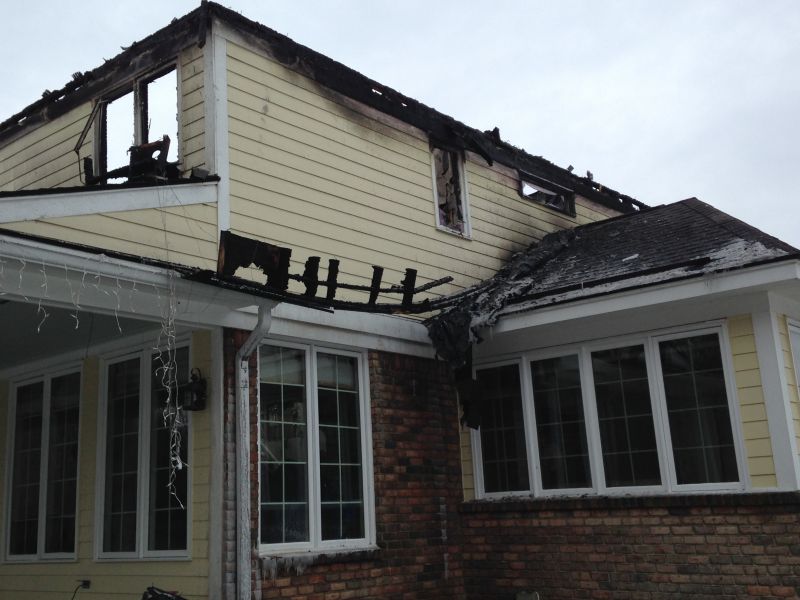

During the storm restoration process, property owners can expect a series of practical steps as local contractors work to repair and restore their homes or businesses. Initially, there may be an assessment phase where service providers evaluate the extent of the damage, often involving visual inspections and discussions about necessary repairs. This helps ensure that the restoration efforts address all affected areas efficiently. Throughout the process, property owners might see various crews on-site performing tasks such as debris removal, structural repairs, or roof tarping, depending on the damage sustained. Clear communication from local service providers can help keep property owners informed about what to expect during each stage of the restoration.
Understanding what to expect during the restoration process can also help property owners prepare for the temporary inconveniences that may arise. For example, there could be periods when parts of the property are inaccessible or when noise from repair activities is noticeable. Local contractors typically aim to work efficiently and with minimal disruption, but some level of activity is inevitable during repairs. Property owners might also need to consider temporary arrangements for their daily routines, especially if interior work is involved. Connecting with experienced service providers can provide peace of mind, as they are equipped to handle the restoration process professionally and keep property owners informed every step of the way.
What is the typical sequence of events during storm restoration? During storm restoration, local contractors usually begin with a damage assessment, followed by securing the property, removing debris, repairing or replacing damaged structures, and finally restoring the property to its pre-storm condition.
How do local service providers handle unforeseen issues during restoration? Local contractors are experienced in managing unexpected problems by assessing the situation on-site and adjusting their approach to ensure the restoration process proceeds efficiently and effectively.
What should I expect in terms of communication during the restoration process? Service providers typically keep property owners informed about progress, next steps, and any adjustments needed, ensuring transparency throughout the restoration process.
Are there specific steps involved in restoring damaged roofing or siding? Yes, local pros usually start with inspection, followed by debris removal, repair or replacement of damaged materials, and final inspections to ensure everything is properly restored.
What kinds of cleanup are performed during storm restoration? Cleanup generally includes removing debris, dirt, and damaged materials, as well as ensuring the property is safe and ready for occupancy after repairs are completed.
Assessment and Inspection - Local contractors will evaluate storm damage to determine the scope of restoration needed, helping property owners understand what repairs are necessary.
Damage Repair and Restoration - Service providers can handle tasks such as roof repairs, siding replacement, and water damage mitigation to restore the property’s safety and appearance.
Material Selection and Preparation - Homeowners can work with local pros to choose suitable materials that match existing structures and prepare the site for effective repairs.
Final Walkthrough and Cleanup - Professionals will inspect the completed work and ensure the property is cleaned up, giving owners clarity on the restoration progress and results.
If you are thinking about what to expect during the restoration process for a property, this guide is meant to help you understand this topic, the typical project types, and how different options might fit your plans.
When you are ready, you can use the quote form on this page to share a few details about your project. From there, local pros can review the basics and follow up with options that match what you have in mind.